A Chestnut Tree Grows in Brooklyn... Again
A century and a half ago, a botanist from Queens became the first to import Asian Chestnut trees to the United States. He was spurred to do so by the enormous popularity of the American Chestnut, then the most common tree on the East Coast, and a major source of lumber and food. The idea caught on: over the next few decades thousands more were imported.
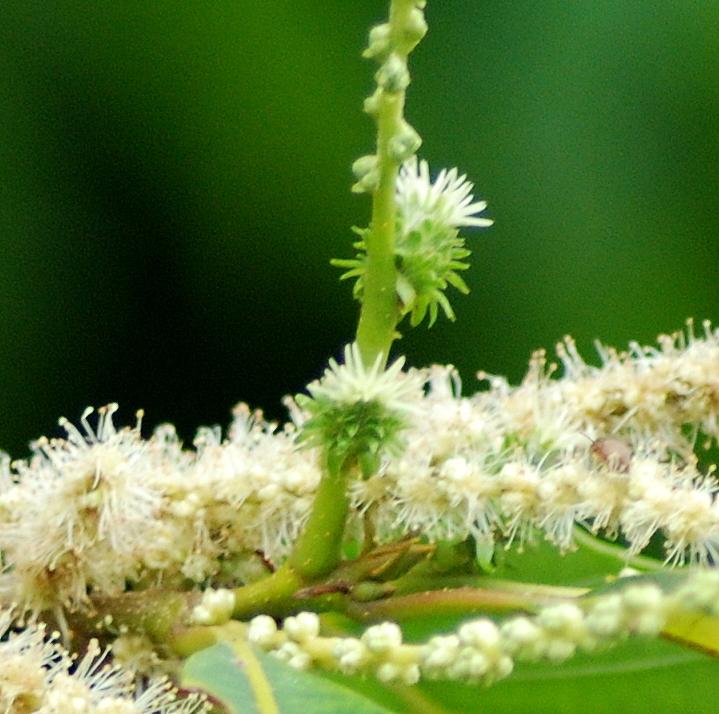
Then, in 1904, a forester with the Bronx Zoo noticed the American Chestnuts there were dying. Three decades later, the blight had killed 3.5 billion trees, essentially wiping out the species.
A infection was choking the trees, killing the portion above it. New sprouts could pop up from the living stump below, but those would also die. There was, and still is, no cure.
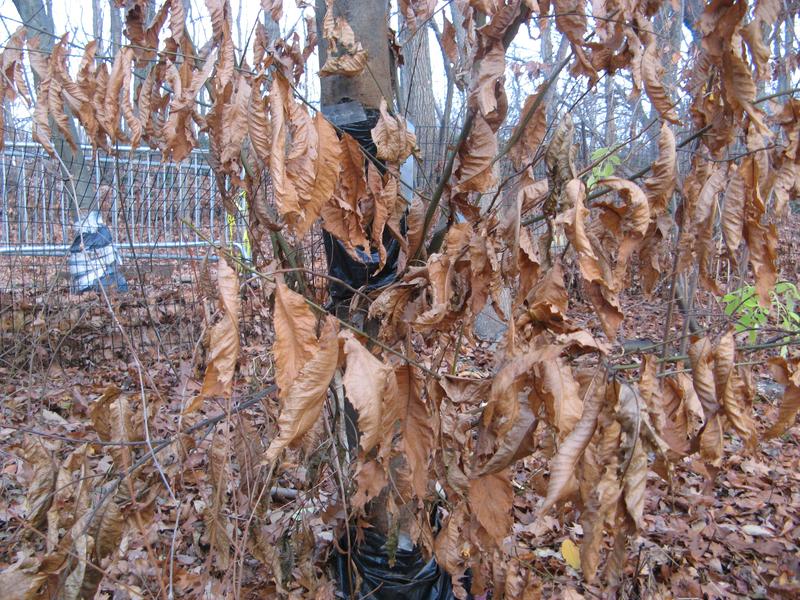
The blight was traced to a fungus brought in on those imported trees from Asia. But those same Asian Chestnut trees had developed a resistance to the blight. And that resistance is passed along genetically.
Organizations trying to save the American Chestnut have cross-bred the American and the blight-resistant Asian varieties over several generations. (See this great chart.) The resulting hybrid, called B3F3s, are nearly 94 percent American Chestnuts, and have their look and adaptability, but the blight-resistance of Asian Chestnuts.
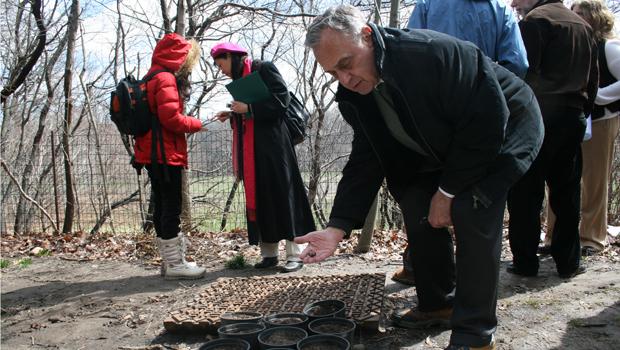
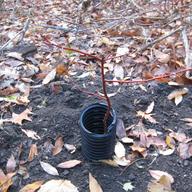
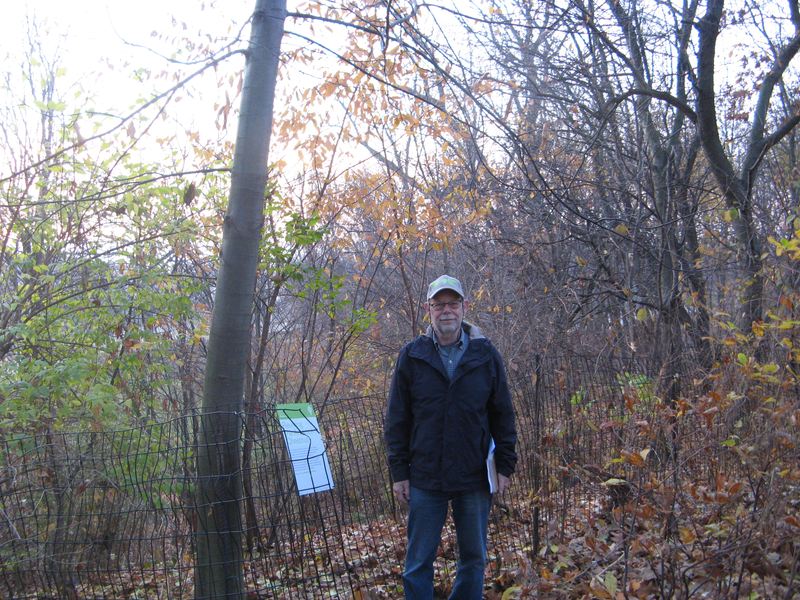
Over the last two years, volunteers with the Prospect Park Alliance have been planting B3F3s in the park. With any luck, they will cross-breed with a generation of pure American Chestnuts that the Alliance planted back in 2004, and which, for the first time last year, produced fertile Brooklyn-born nuts.
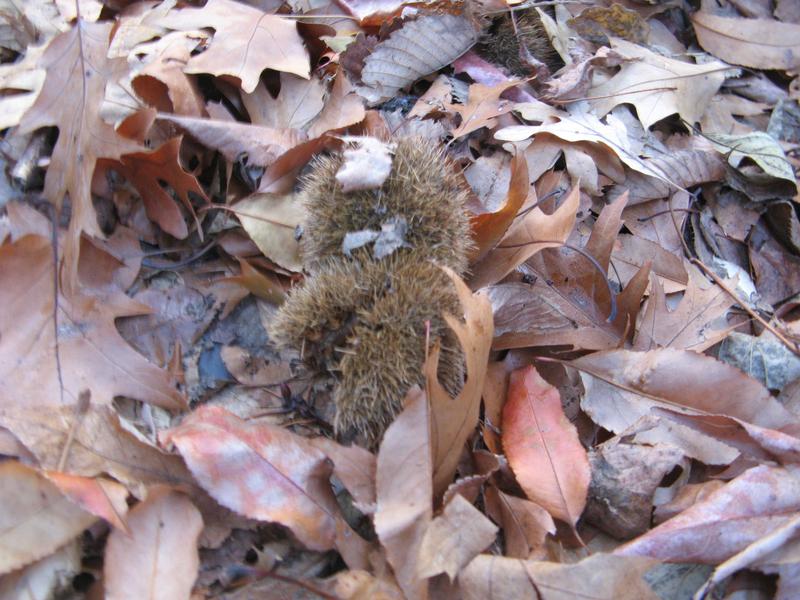
"The seeds from that will be even more blight resistant," volunteer Bart Chezar explained. "And those will be kind of the feed stock for the future American chestnut forests of Brooklyn."

WNYC is funded by sponsors and member donations