Trump's Trade War Has Everything To Do With The Price Of Tea In Chinatown
If you want to know what sort of impact President Donald Trump's trade war against China is having locally, just ask Jing Xue Ying.
An herbalist in Manhattan's Chinatown for over 20 years, he imports all of the herbs and teas in his shop from China. And many of them have increased in price since the US-China trade war began. Take goji berries, for example: a dried fruit popular in Chinese medicine, they have gone up from around $3 a pound to around $8 a pound.
Trump has been accusing China of unfair trade practices and intellectual property theft since he was on the campaign trail in 2016. A year ago, he began raising tariffs on Chinese imports, starting with industrial equipment like steel and aluminum. Earlier this month, he broadened the war to encompass many consumer products as well.
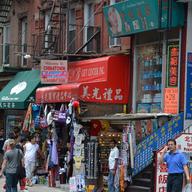
Ching Yeh Chen, the co-owner of Pearl River Market, says she imports about 70 percent of her merchandise from China. Her store sells knick-knacks like tea cups, fancy chop sticks and waving Chinese cats. Chen says that according to her customs broker, most items from China will fall under the new tariffs. She's worried she'll have to raise prices in her store.
Chen says one of their most popular items are traditional Chinese slippers. Since they are made out of polyester, which is a material on the latest tariff list, the wholesale price for Chen will go from $6.50 a pair to $9 a pair.
Trump's tariffs were meant to punish Beijing as well as help U.S. manufacturers. But they may have other effects as well. As the prices of Chinese good increase, Chen says she'll have to start importing more from other Asian markets, like India and Vietnam, which could end up the ultimate winners from the trade conflict.

WNYC is funded by sponsors and member donations