Missing Information and Chaos as Migrant Kids in New York Are Reunified with Parents
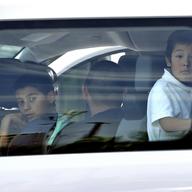
On the eve of a court-imposed deadline for the Trump Administration to reunite more than 2500 migrant children who were taken from their parents at the U.S. border, hundreds who had been sent to federally-contracted agencies in New York were whisked away to rejoin their parents. But elected officials and attorneys for the children described a chaotic process.
Here's what WNYC knows as of Thursday evening.
How Many Children in New York Were Reunited?
Mayor Bill de Blasio said about 200 of the estimated 300 children in the New York City area were released from foster care agencies. But he said there was no way to track whether they had actually joined their parents.
Gov. Andrew Cuomo would not confirm the mayor's numbers. He called the situation "fluid" and said while some providers were releasing information to the state, others were reluctant to violate their federal contracts.
During an evening conference call with reporters, the federal government said 1,442 children have been reunited with their parents. Chris Meekins, Deputy Assistant Secretary and Chief of Staff for the Department of Health and Human Services said, "We expect to reunite all parents with children who are in ORR (Office of Refugee Resettlement) care and parents who are in ICE (Immigration Customs Enforcement) custody this evening. We are continuing to work with the court and will provide additional updates to them tomorrow."
But Meekins refused to say how many children in total are eligible to be reunified with their parents. "The data is dynamic," he said. According to the government, the numbers change because some parents waive reunification and then change their minds; others are on the path to reunification but then do not pass background checks.
Allegations of Chaos
The governor described a scene of chaos in the early morning hours of Thursday when workers from the Cayuga Centers foster care agency were told to get 14 children to LaGuardia Airport for a 2 a.m. flight. When the children and their caretakers got to the airport, however, he said only seven had tickets for their flights. The caretakers were then told to take the remaining kids to an airport in Westchester County for a 5 a.m. flight. But only two children were able to depart; the rest were brought back to Cayuga's office in East Harlem.
Cuomo questioned whether the confusion was purposeful and done to make migrant families more fearful. "The president wanted the wall," Cuomo said. "He didn't get a wall. He said, 'well if I don't get a wall I'm going to have another barrier. And it's going to be a bed of nails. It's going to be a gauntlet of pain. It's going to be a tunnel into the unknown.' And who knows what happens to you if you step over that border."
Lack of Information for the Children's Lawyers
Lawyers said they were given very little notice before their clients, some as young as five-years-old, were released and sent to their parents. They described receiving emails just hours before a child's flight.
The Legal Aid Society won a court order for its 70 young clients to get 48 hours' notice before they were released. But it found itself in the same frustrating situation as other lawyers representing kids in New York.
Legal Aid said the only information its lawyers received was whether a child was joining a parent who was released from detention or is still being held in federal custody. Those who remain in custody are expected to be deported (the ACLU is suing to give reunited families a week to consult with lawyers before being deported). Attorneys said this lack of communication made it difficult to represent their clients' best interests.
For example, some lawyers wanted to talk to a child's parent to see if they want their child to remain in the U.S. to seek asylum.
The Legal Aid Society brought another lawsuit this week to keep a few of its traumatized clients in New York for extra time to avoid joining their parents in family detention centers. The plaintiffs included a nine-year-old girl from El Salvador who was initially placed in detention with her mother after crossing the U.S. border. But she said she remained in detention for days after her mother was separated from her. She described a facility surrounded by fences where she didn't get enough to eat and where she cried herself to sleep, with other children telling her everything would be okay.
Attorneys said these children wanted to rejoin their parents but were seeking any alternative to being sent to family detention centers.
Politicians Seek More Information
Two Democratic state lawmakers from Manhattan, Assemblyman Harvey Epstein and Senator Brian Benjamin, have proposed a bill that would require foster care agencies with federal contracts to report on how many children are in their care who were taken from their parents at the border.
Some foster care agencies are already giving the state's Office of Children and Family Services data on the children. The governor said others are reluctant to violate their federal contracts. The legislation would require them to release more data or risk losing their state licenses. Cuomo said he supports the state agency having more information, but questioned whether state law could override the rules of a federal contract.
Why Some New York Children Cannot be Reunited
Although most children in New York appear to be on their way to reunification, those who can't fall into several categories. These categories also applied to children under the age of five, who had a reunification deadline earlier this month.
The government has acknowledged hundreds of parents were deported without their children. It says Thursday's deadline doesn't apply to them. But Politico reported that many parents did not give consent for their children to stay behind in the U.S.
The government also said some parents have criminal records and cannot be reunited with their children. And there are some parents it cannot find.
Attorneys have also said some children may stay in New York to fight for asylum.
Several children were already reunited before the deadline with parents who were bonded out of detention.
If a reunification is not possible, the foster agencies would likely follow the same procedures they use for unaccompanied minors who come to the U.S. without their parents. The children can be sent to relatives who agree to sponsor them; those without any relatives would stay in foster care.

WNYC is funded by sponsors and member donations