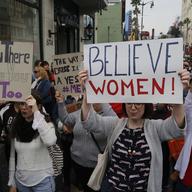
How the Law Separates Sexual Harassment, Assault and Other Abuses in the Workplace
Allegations of workplace harassment continue to rise to the surface. This week at WNYC, several hosts were accused of inappropriate behavior, including sexual harassment and bullying claims against John Hockenberry during his time hosting The Takeaway. On Tuesday, longtime hosts Leonard Lopate and Jonathan Schwartz were suspended following accusations of "inappropriate conduct," according to President and CEO Laura Walker.
Allegations have popped up across industries and cover a broad range of behaviors, making it increasingly difficult to distinguish each new revelation from the rest. Should each instance be treated as equally severe? How much do the victims' responses matter?
Legal principles can help guide the answers to those questions, said Suzanne Goldberg, a professor at Columbia Law School and leader of the school's Center for Gender and Sexuality.
"Law has a tremendous effect on how we live our lives," she told WNYC's Jami Floyd. "What's very important about this moment is that we are having a public reckoning. The law is shaping people's expectations that this is sex discrimination and it is wrong."
The outcry may also work in the long term to shape new laws around sexual harassment in the workplace, Goldberg said.