How Pig Poop Is Getting into Iowa's Drinking Water
Iowa is the country’s largest pork producer and waste from the state’s "concentrated animal feed operations" is finding its way into the state’s drinking water.
Ted Genoways, editor-at-large of OnEarth, explains how.
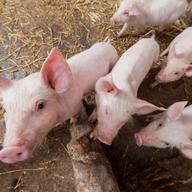
18 million of the state’s 20 million hogs are in these facilities, where all of the waste that the hogs produce goes through the slotted floor they stand on and into pits below, which hold that manure for months at a time, giving off gas. Genoways says that what hits you when you walk into is one of these facilities is “not just a smell, it’s actually a chemical burn that you get in your nostrils as you are inside with the animals.”
Iowa produces an estimated 5 billion gallons of hog manure each year. While farmers inject some of that manure into the surrounding subsoil to avoid runoff into waterways, there’s no place for that waste to go. "The problem is that the soil itself is saturated, at this point, with manure." And, Genoways says, the ongoing drought and winter weather mean that the ground is very hard and can’t absorb the runoff. So manure ends up streams and rivers, finding its way into the state’s tap water.
Genoways says that the equipment that Iowa’s authorities use to measure nitrate levels and dilute the water to keep nitrate levels safe are struggling to keep up. Children have been warned not to drink the tap water. "It’s almost certain that people are drinking water that’s at higher [nitrate] levels than they should be drinking."
Ted Genoway's article is “Hog Wild: How Factory Farms Are Poisoning Iowa’s Water”