Tangled Relations: Saudi Arabia, Trump and U.S. Businesses
The disappearance of Washington Post contributor Jamal Khashoggi after visiting an embassy of Saudi Arabia in Turkey has brought renewed attention to what’s been true for years: the United States — and its president — has an important, and extremely complicated, relationship with Saudi Arabia.
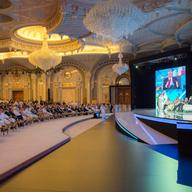
In recent years, U.S. businesses have developed even deep connections to the Middle Eastern country. Now, in the aftermath of Khashoggi’s disappearance, CEOs of some of the largest financial firms have announced they’re walking away from a business summit known as "Davos in the Desert" planned for next week in Saudi Arabia. Leaders from Goldman Sachs, Google, Uber and the giant investment firms Blackrock and Blackstone are among those who have pulled out while the Khashoggi investigation continues.
At the same time, President Trump's own history with the Saudis is coming under scrutiny. Trump has done business with the country for years, even bragging during his presidential campaign about the large amount of money Saudi buyers paid for his apartments.
"Saudi Arabia, I get along with all of them. They buy apartments from me. They spend $40 million, $50 million," he said at a rally in Mobile, Alabama in August, 2015. "Am I supposed to dislike them? I like them very much."
This week on Money Talking, Charlie Herman delves into all the ways Saudi Arabia is intertwined with U.S. business interests including those of the president himself, with David Fahrenthold, who reports on Trump's business interests for The Washington Post, and Joe Nocera, business columnist for Bloomberg Opinion.