Racial Disparities Persist in Physical Education for City Students
If the city got a grade for the percentage of elementary students getting the required amount of gym class, it would be an D.
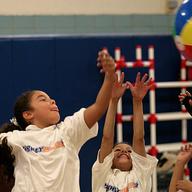
Only 63 percent of kids in sixth grade and below got the two hours a week of physical education required by state law. Black and Latino elementary were even less likely to meet state standards in many parts of the city.
“The health benefits, the mental health benefits, the impact on discipline on schools — P.E. has so many advantages,” said Robin Vitale of the American Heart Assocaition. “The challenge is that there’s still significant disparities when we’re looking at students of color.”
According to the Department of Education, the percentage of students in physical education increased across every demographic group and grade level.
The number of licensed P.E. teachers will increase by 179 this coming year, as part of PE Works, $100 million initiative to increase instruction and space launched last year.
Vincent Gatto, principal of P.S. 33 in Chelsea, said the initiative has enabled him to hire a new licensed P.E. teacher.
“Not only do I see our students learning lifelong skills, they’ve become sharper and more engaged in the classroom,” he said.
Education officials hopes to have all elementary kids meet state standards for gym class by the end of this coming academic year.

WNYC is funded by sponsors and member donations