Real Estate Investing for the Rest of Us
For Parisians, it's sitting in cafes. Bostonians love them some baseball. Southern Californians just want to surf. But New Yorkers' favorite pastime? It's real estate.
We love to speculate about the next, hot neighborhood. Will it be Flatbush? Bushwick? Along the Grand Concourse in the Bronx?
Now there's a chance to get in on the action: CityShares, a real estate investment fund that's hoping to capitalize on all the chatter in this town. Focusing on specific neighborhoods, the funds are open to relatively modest investors who can spend at least $100,000 and are considered accredited investors by Securities and Exchange Commission.
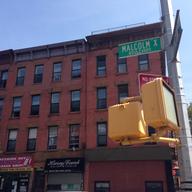
The fund's first effort plans to raise $5 million and will focus on the Bedford-Stuyvesant neighborhood in Brooklyn.
"One of the things we found is that people want to invest in Bedford-Stuyvesant, but they don't want to own a two- or three-family brownstone," said Seth Weissman, founder of CityShares. "If the roof leaks, or somebody stops paying, it hits you a lot more because you only have two or three units. By investing in a portfolio you're able to diversity your risk a little bit."

Even though the fund is small, especially by New York standards where a single apartment regularly sells for more than $5 million, Weissman said he has had more than 600 inquiries. Real estate professionals expect the fund will attract novice real estate investors who are not from the area.
"In many ways it seems like the appeal for this would not be from a local investor, it would be somebody outside of the market with a general understand that New York real estate is very active right now," said Jonathan Miller with real estate appraisal firm Miller Samuel. Miller said that the Bedford-Stuyvesant area is ripe for development, with sales prices of condos and co-ops up 18 percent over last year. Average rental prices are up 28 percent, according to the firm.
Weissman said interest in CityShares has been broad.
"We’ve had a lot of international interest, but a lot of it is domestic, " added Weissman. He said people like the flexibility of being able to invest in a specific place, an option other real estate investment vehicles don't offer.

All that interest has some affordable housing advocates fearful that rent stabilized tenants will feel pressure to move out of their homes in the neighborhood.
"What is your plan to make a profit? By displacing all the long term residents and hoping you can double or triple the rent by renting out to higher paying tenants who move into the neighborhood?" asked Kerri White with the Urban Homesteading Assistance Board.
Weissman promised the fund would take a balanced approach.
"Ultimately these are investments. But it's a balanced approach. If I ever had an investor who wanted to make a couple extra percentage points on the backs of somebody who was like, struggling or had been there for 40 years, I would never take that investor," said Weissman.

Others are concerned that CityShares will attract novice real estate investors who are unaware of the long term risks that can be associated with investing in property, even in New York City.
The company states that investors will make a 12 percent return over time — half from rental income and the other half from appreciation of the buildings over time.

WNYC is funded by sponsors and member donations