Video: A Safe Place for the City's Kittens and Wild Birds
As the weather gets colder, things get tough for a lot of urban animals. That keeps two animal rescue centers in Manhattan very busy.
At the ASPCA Kitten Nursery in the East 90s, up to 300 kittens at a time are nursed to health by dozens of staff and volunteers.
"These kittens have little to no immune systems. They need help regulating their body temperature. They also can't go to the bathroom on their own and they can't eat on their own," said Gemma Smith, administrative manage at the nursery. "We have to be like the mom and help them do all of those things."
They have kittens like four-week-old Vivica, who's just being weaned off the bottle along with her siblings: Versace, Vuitton and Velveteen. They'll be cared for 24/7 until they weigh enough to get spayed and neutered, then they'll head to the adoption center.
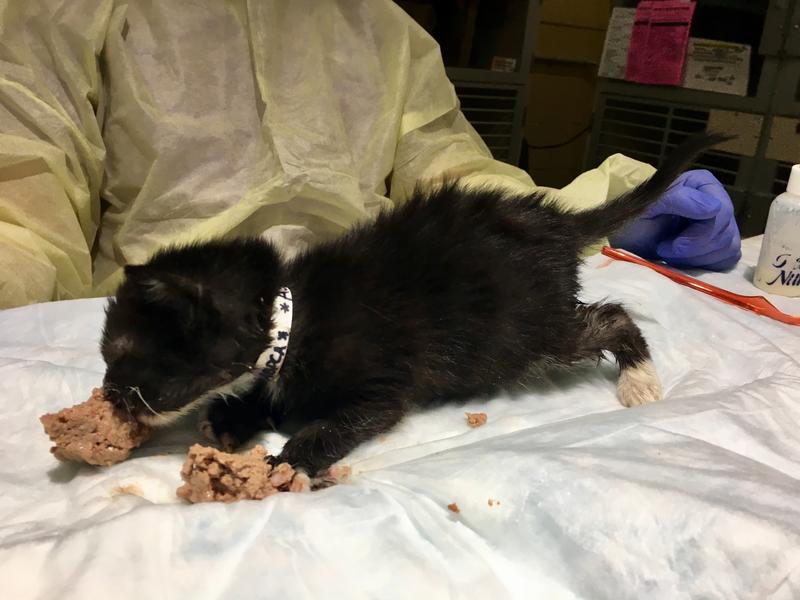
This kitten nursery is the first of it's kind in the city. Smith said more than 3,000 kittens have been sent to adoption centers since opening in 2014. On Friday Nov. 24, the ASPCA will waive fees on all kitten and cat adoptions.
Across Central Park on the Upper West Side things are a bit more hectic. Two feisty Pekin ducks squabble, a rooster named Prince crows, and dozens of people go in and out of the Wild Bird Fund.
This center on Columbus Avenue is the only place in the city that rehabilitates wild birds. Rita McMahon, co-founder and director of the center, said more than 300 species of birds migrate through the city every year and many of them get hurt along the way.
"It’s their first time facing New York City and that’s not easy, you know," McMahon said. "You’re going to go through someone else’s territory, they’re gonna chase you, you slam into a building and you fall to the ground."
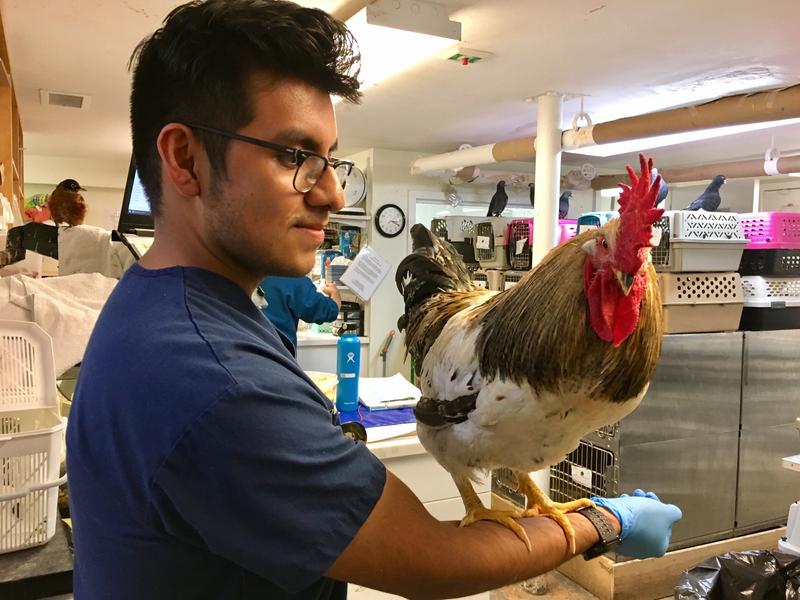
Birds come in with everything from broken limbs, busted wings and lead poisoning. A juvenile great black backed gull named Mike swallowed a fish hook and hurt his wing, so he'll be in physical therapy until his range of motion returns.
Mike does not like his physical therapy, and often bites and claws to get away. But McMahon said blood and scratches are part of the job, and even the most aggressive birds tend to calm down when getting help.
"Something will click, and then they know," she said. "They know what you're doing, they know that you're helping them."

WNYC is funded by sponsors and member donations