The Things They Carried (in 1,500 B.C.)
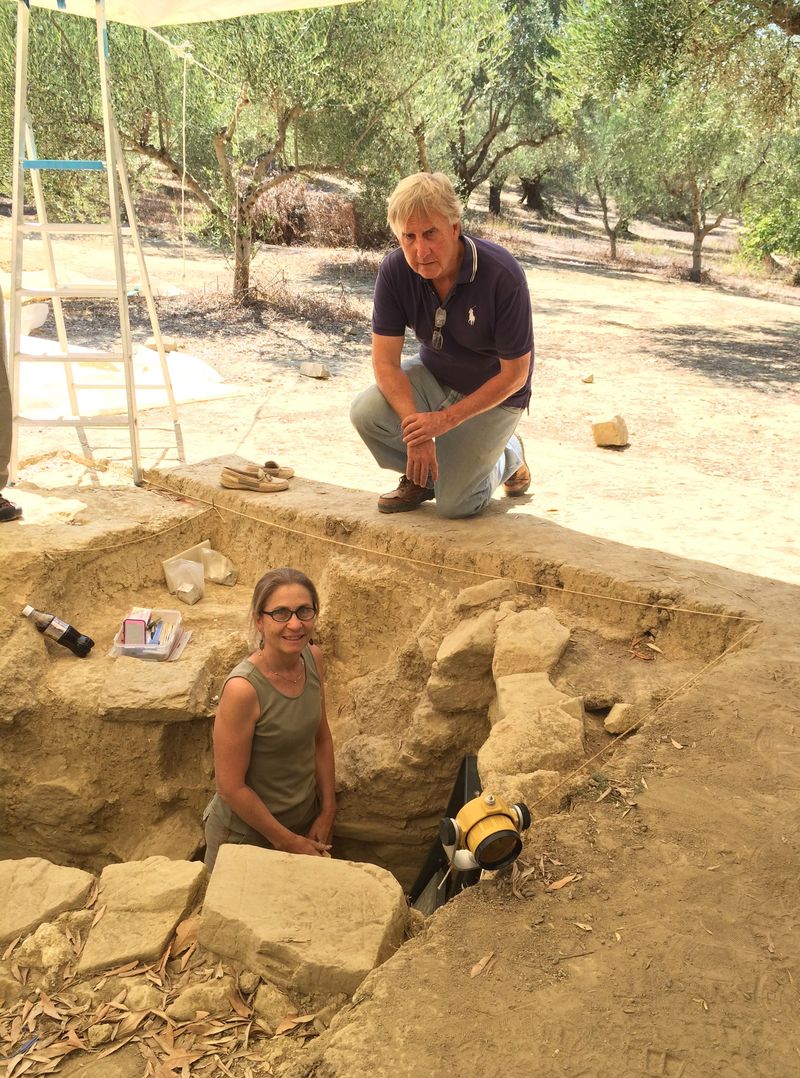
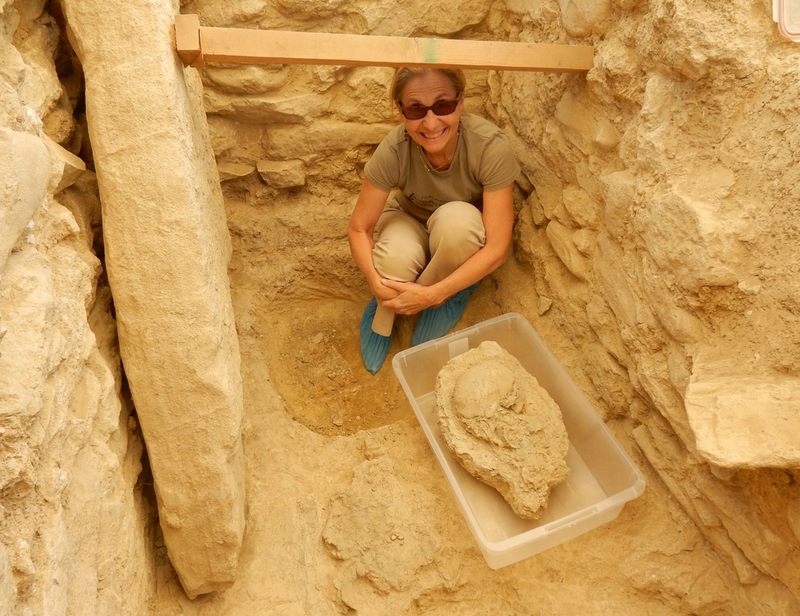
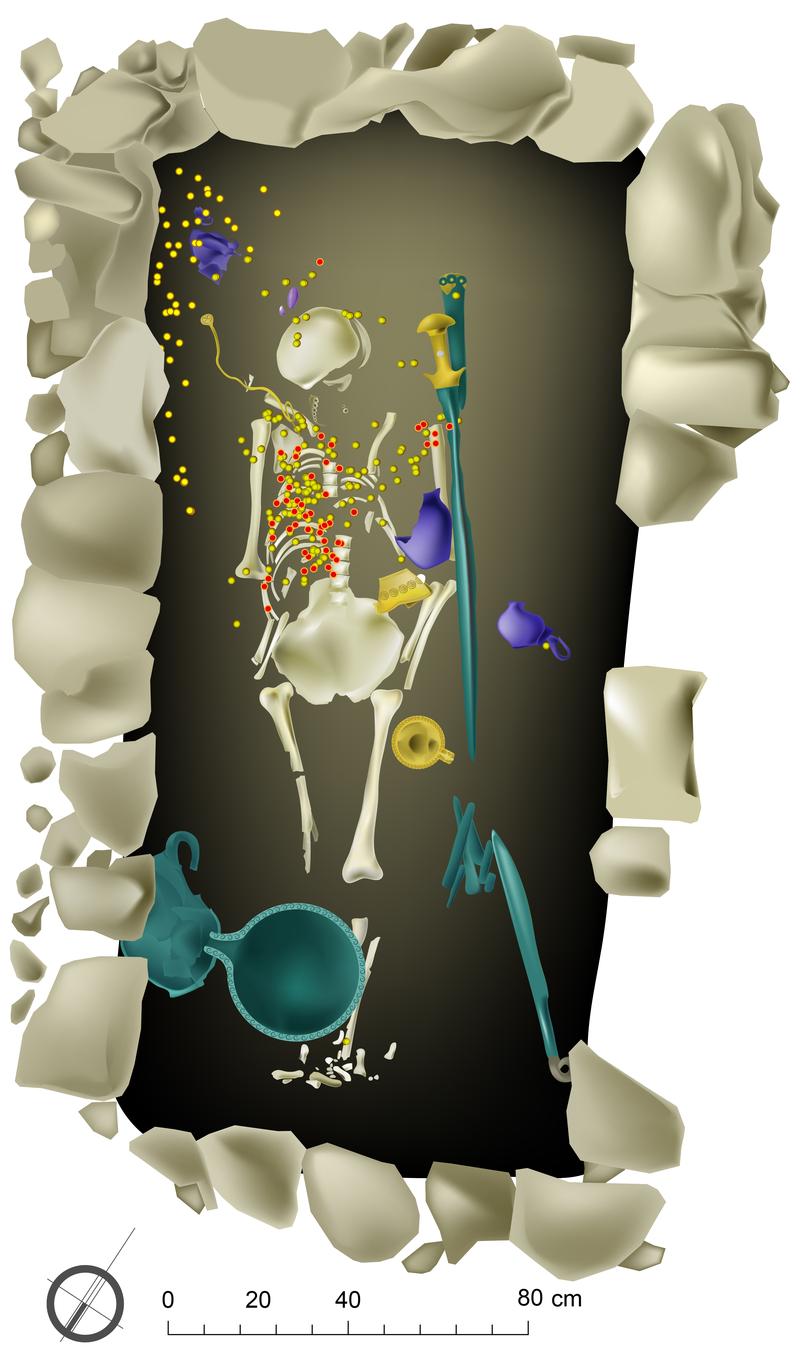
These days, archaeologists don’t go around discovering tombs filled with ancient treasure. But that’s exactly what happened this spring to a husband-and-wife team of archaeologists from the University of Cincinnati. Jack Davis and Sharon Stocker were excavating at the site of the ancient city of Pylos, in southwestern Greece, when they stumbled upon the tomb of a warrior who was buried with a sword and a trove of jewelry around 1500 B.C. — some three hundred years before the fall of Troy. It’s the biggest discovery of its kind in at least half a century.
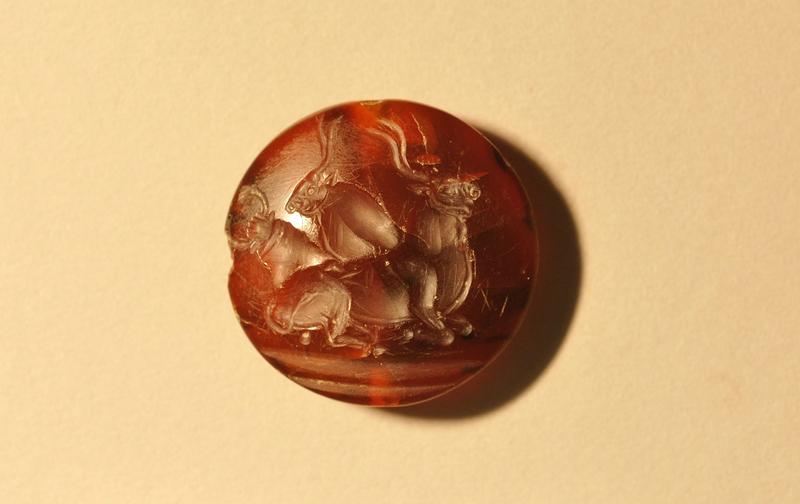
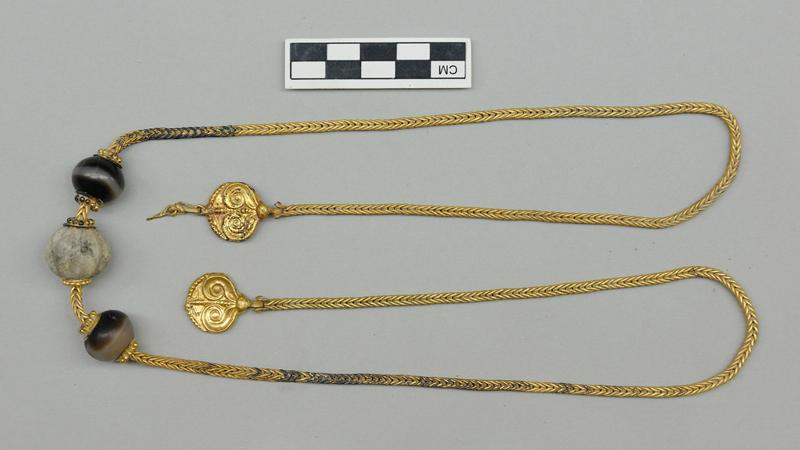
See more of the treasures uncovered during the dig below.
Kurt Andersen: How did you make this amazing find?
Jack Davis: It was kind of a combination of expertise and dumb luck. We were not planning to excavate in this area. We were trying to buy an adjacent property, and the sale fell through at the last minute. So we decided to excavate a field adjacent to the acropolis on which stood the palace of Nestor. Our area supervisor noticed five stones above the surface of the earth. We thought this was the corner of a Bronze Age house, probably. One day she texted us and said “I hit bronze.” At that point, we knew that we had something special.
The thing that really excites me: this is a real person, evidently an important warrior, from the times Homer was writing about. Am I a silly civilian by being excited about that?
Sharon Stocker: Our find is from several centuries before the time that Homer was writing about, which makes it even more spectacular. This could have been the founder of the dynasty of Nestor, who ruled at Pylos [and who is a character in The Odyssey]. This is probably what began the whole story in the area of Pylos. This is the prequel.
What will this discovery teach us about this ancient civilization?
SS: Up until now, people have speculated that certain artifacts can be ascribed to a particular gender. For example, scholars have often speculated that combs and mirrors go with women and weapons go with men. Because the burials are communal, there’s no way to prove or disprove this. But now, we have one man buried with objects that, until now, have been thought female artifacts. He had six combs; he had a bronze mirror; he had beads; he had necklaces. We have learned that grave goods cannot be attributed along gender lines.