Can $10,239 Buy Quality Pre-K?
Mayor Bill de Blasio's plan to rapidly expand pre-kindergarten in New York City comes with an emphasis on programs that are "high quality." But quality is not cheap.
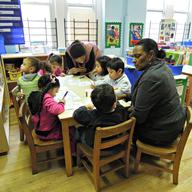
After the mayor outlined the "new model" of what a high-quality program looks like, SchoolBook went to see one in action. Our visit to a Children's Aid Society pre-k program in East Harlem clarified why quality pre-k is expensive.
Children's Aid estimated that their annual pre-k costs per child hover around $14,000. The organization, an ally in the mayor's push to expand pre-k, said the cost is comparable to de Blasio's spending proposal of $10,239 per child because the city's model would provide pre-k for about six hours per day, for 180 days per year, whereas they offer longer school days, and year-round programs.
Here's what the money pays for:
- Small student/teacher ratio. The class has 20 students and three teachers, including one lead teacher and two assistants.
- Researched-based curriculum. Most of the Children's Aid sites use a curriculum called Tools of the Mind, which emphasizes dramatic play, controlling impulses and planning a set of tasks, like writing "play plans." The curriculum is tied to the Common Core learning standards for pre-k.
- Student assessments. Teachers are expected to observe and note each child's development. If a child is, say, exhibiting trouble with letters, numbers or motor skills then the teacher is expected to individualize instruction to help students advance.
- Certified teachers. Lead teachers hold either bachelor's or master's degrees along with certification in early childhood. Children's Aid said it pays teachers with a master's degree around $45,000 per year, depending on experience.
- Teacher support. Children's Aid employs education directors that meet with teachers once a week to help them figure out how to give that targeted support to students. Teachers have a professional development day once a month and they attend professional development sessions with the curriculum developers three to four times per year.
- Family support. Children's Aid hires family workers to address a multitude of needs at home, including referrals to health providers, hooking up with a local food bank or providing financial literacy classes.
Hear our story to get a sense of how these elements play out in a Children's Aid classroom on 101st Street in Manhattan.


WNYC is funded by sponsors and member donations