What New York Did—and Didn't—Accomplish With its $168 Billion Budget
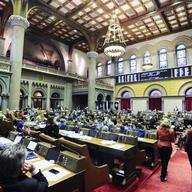
With the passage of a state budget late Friday, New York became the first state to enact a workaround to the recent federal tax overhaul, which will limit state and local tax deductions to $10,000. That's a problem for many New Yorkers, who face exceptionally high income and property taxes.
For one, businesses will be able to convert state income taxes to a payroll tax. "So, workers get a little less money in their actual paycheck," Albany reporter Karen DeWitt told WNYC, "but they don't pay the state income tax anymore. And businesses can deduct the payroll tax."
The other program: to set up charitable trusts for health and education. New Yorkers can donate to the trust, instead of paying their property taxes, then write it off as a charitable deduction. "But there's big uncertainty there—is the IRS going to accept that?" added DeWitt.
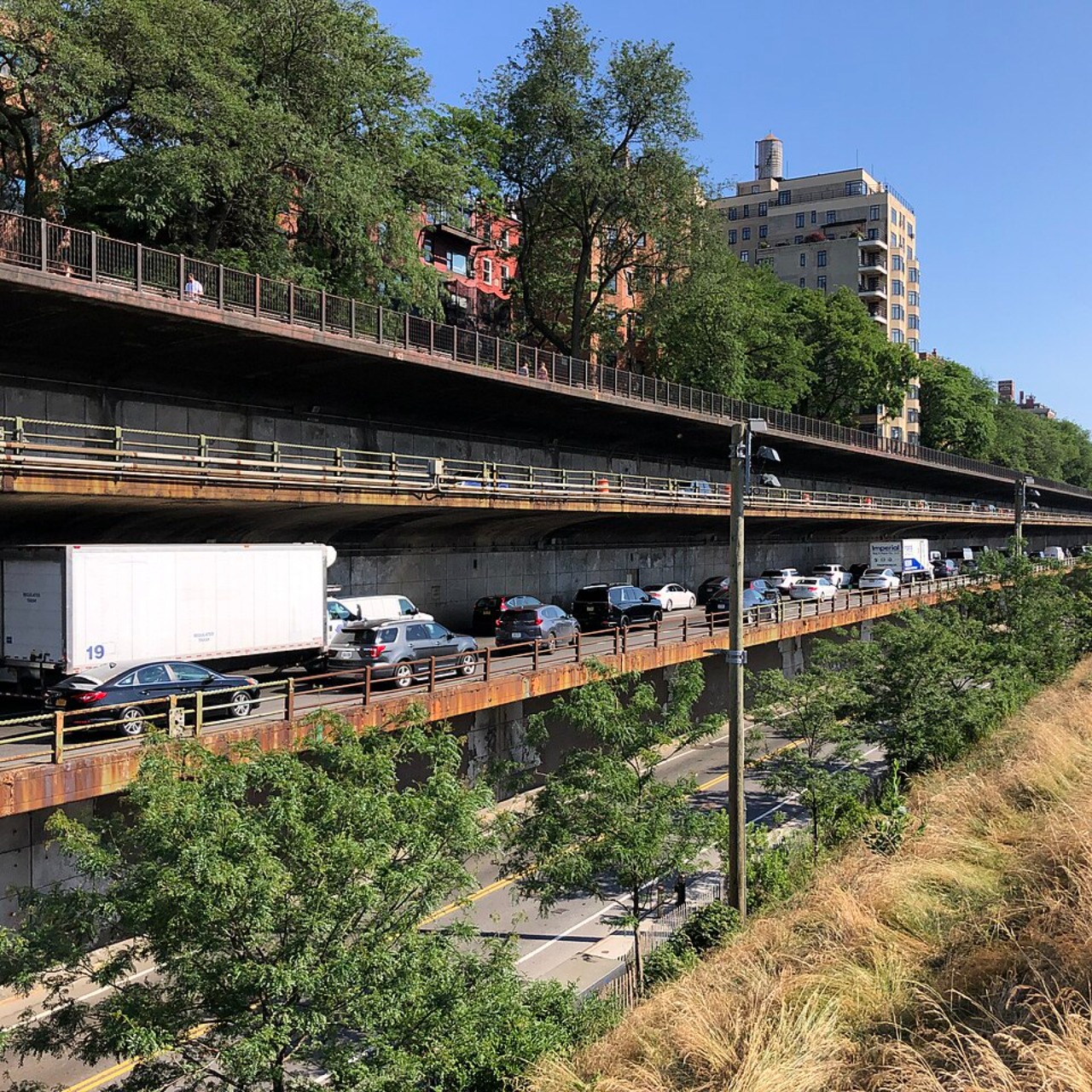
Meanwhile, on transit, New York City is getting something akin to congestion pricing light. Taxi drivers and ride-hailing services will now be charged a $2.75 fee to go below 96th street in Manhattan. That's something, says DeWitt, but transit advocates still worry that the plan "won't provide enough money to handle the transit system's real problems."
On a handful of issues, from NYCHA to Penn Station to the distribution of school aid, Gov. Andrew Cuomo is making a point to get involved in city affairs.
"It's true that Cuomo and [Mayor] de Blasio have been feuding a long time," said DeWitt, "but it's really amped up now because of Cynthia Nixon announcing that she's going to challenge Gov. Cuomo in the Democratic primary. She's a de Blasio ally, and she seems to so far really know how to push the governor's buttons."
DeWitt spoke with WNYC's Richard Hake.

WNYC is funded by sponsors and member donations