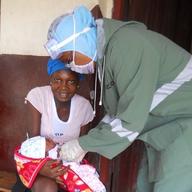
Brooklyn Nonprofit to Reopen Clinic in Liberia
Bisi Ideraabdullah has never been skittish. In 1990, when she was living on the outskirts of Monrovia and Liberia's civil war seized the capital, she could have returned to Brooklyn, where she grew up. Instead, she put up a medical tent, which soon became Imani House Clinic. When her family was forced to evacuate and return to Brooklyn in the mid-1990s, Ideraabdullah continued to run the clinic remotely, eventually serving 17,000 patients a year. But once Ebola found its way to Imani House, Ideraabdullah considered shutting down the clinic permanently.
In early September, a registrar at the clinic took someone's blood pressure while he was off duty.
"That is strictly forbidden, but he did it anyway," Ideraabdullah said.
Even though he wasn't showing symptoms yet, the worker inquired about Ebola with Iderabdullah's husband, Mahmoud, who was about to board a plane back to the United States. Later that month, while Mahmoud was in self-imposed quarantine in the couple's apartment in Brooklyn, they learned that the registrar and one of his co-workers at the clinic in Liberia had become infected with Ebola. They died within a day of each other.
That was five weeks ago, and the clinic has been closed ever since. This week, Mahmoud — still Ebola-free — returned to Liberia to help the staff tighten safety protocols and get ready to reopen on Monday for routine patients.
Before Ebola struck Imani House, Ideraabdullah had seen other clinics close in order to protect their workers from the virus, and she offered her staff the same option.
"I was so frightened as it came closer, but they didn't want to close down, so we supported them," she said.
While the staff at Imani House won't be focused on Ebola patients, it is now prepared to deal with them in an emergency. Before, they protected themselves with raincoats and boots. Now, they have acquired proper protective gear, built an isolation unit out of a chicken house on the property, and arranged for ambulances to transport Ebola cases to other facilities.
Ideraabdullah said she's nervous about reopening, but her staff is eager to get back to helping people.
"The 17,000 people we served a year were in need of healthcare," said Ideraabdullah. "They didn't have Ebola."

WNYC is funded by sponsors and member donations


