B is for Budget Cuts: Tax Freeze Debate Gets Heated at Some New York Schools
Special Delivery!
Many New Yorkers are getting checks in the mail this month, thanks to Governor Cuomo's property tax freeze. The policy, which builds on the tax cap created in 2011, provides rebates to residents in school districts outside New York City that agree not to raise taxes above the limit set by the state’s formula.
"It is a relief to homeowners. But it is also something else. It’s an opportunity to fundamentally address the structural cause of high property taxes," Cuomo said in his budget address earlier this year.
Critics, however have called the rebates, arriving right just before Election Day in November, a political gimmick.
"It’s basically a bribe for the voters that if you don’t invest in your local schools then the governor will send you money," said Billy Easton, executive director of the advocacy group Alliance For Quality Education, which gets some of its funding from teachers unions. He said the tax cap comes with consequences that lead to schools having to make big cuts in everything from arts to academics.
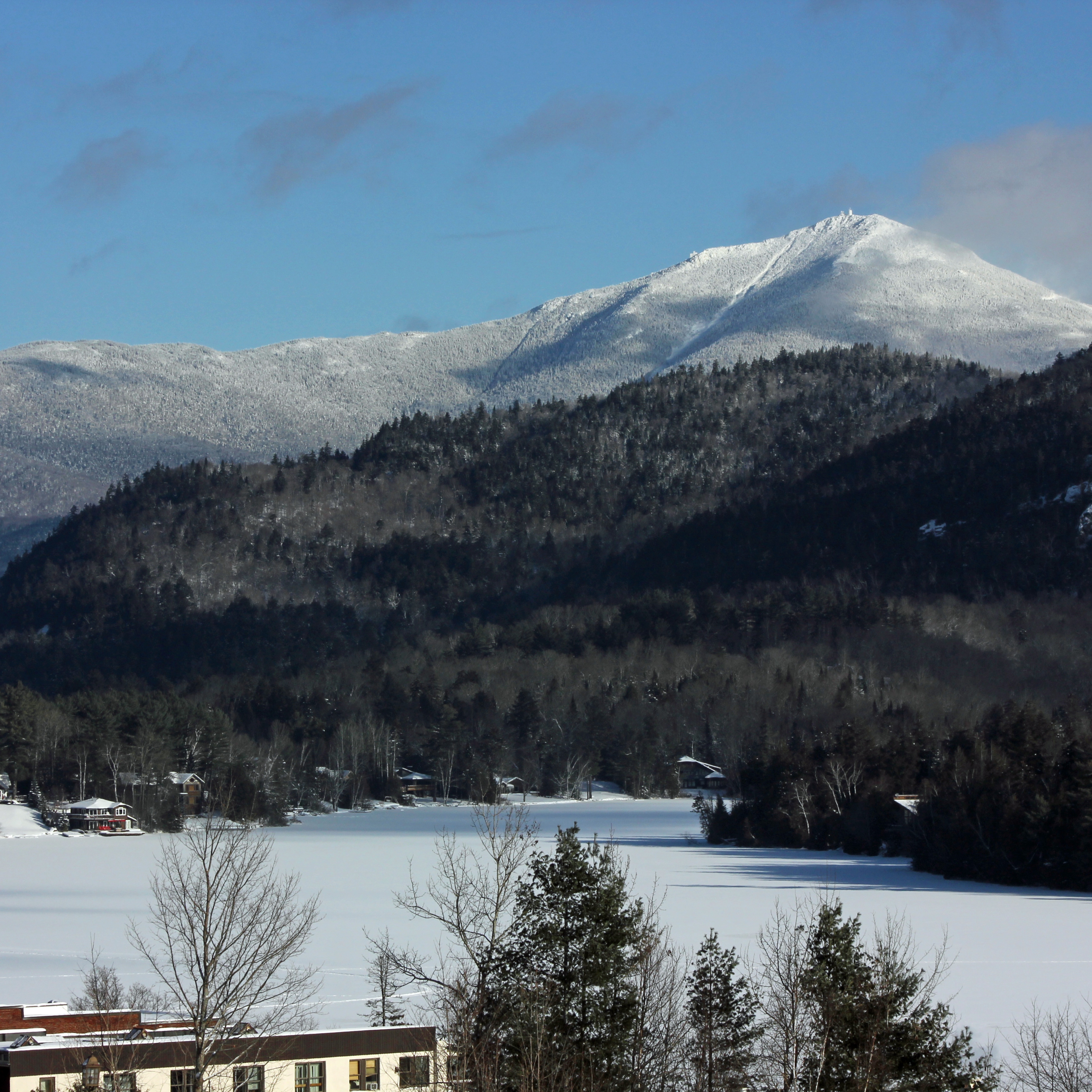
That’s what happened in Minvera, New York. It’s a tiny town nestled on the eastern edge of the Adirondacks, about 90 miles north of Albany: One stop light, one school, and these days, one teacher for both pre-k and kindergarten, at the same time.
"I often wish I could split myself in half and give my whole attention to the pre-k’s, and my whole attention to the kindergartners,” said teacher Linda Williford. “But unfortunately I can’t do that.”
Superintendent Tim Farrell said that, because pension and health care costs are growing so quickly, staying under the governor's cap has meant cuts almost everywhere else: The school has also combined fifth and sixth grade; there’s no more college-level English, Calculus or Spanish; band is gone.
Farrell said he tried to avoid this. Last spring, the school board proposed increasing spending by 13 percent, instead of keeping below the governor’s cap of about 2 percent. For this to happen, the budget had to be approved by voters. In the final count, 59 percent voted in favor, even though it meant higher taxes. But it wasn’t enough. The state requires a 60 percent supermajority to override the cap. So the proposal failed. And because of the way the law is written, Minerva got stuck with its previous year’s smaller budget, and no rebates to anyone.
Minerva is an extreme case: classes are unusually small, spending per student is high, and cuts are especially obvious. But some education advocates say that's the way the policy works: It hits smaller, poorer schools harder. Still, schools across the spectrum and state are feeling the pinch.
On Long Island, districts have reported laying off teachers, librarians, and social workers as well as trimming electives, canceling field trips and cutting professional development. The same has happened in Rockland and Westchester counties.
“We’ve seen class sizes at record levels, cuts in art, music, sports, tutoring programs, libraries. It’s really been devastating,” Easton says.
The governor’s office said the cap is part of a broader effort to reign in taxes -- and pointed out that staying under the cap is not mandatory. Additionally, while the checks will arrive in the weeks leading up to the gubernatorial election, Cuomo’s name will not be on them.
Meanwhile, supporters of the tax cap emphasized that property taxes in New York are high. In sheer dollars, three out of the four counties with the nation’s highest property taxes are in New York.
"We needed a mechanism in place that would stifle the growth of property taxes," said Brian Sampson, executive director of the pro-business group Unshackle Upstate. “We were starting to see many of our seniors be forced out of their homes. Young people recently married, young couples trying to buy a home, were having a difficult time.”
Cuomo’s challenger, Rob Astorino, has also embraced the policy.
And the tax cap seems popular. Only a tiny fraction of communities have voted to override it. One morning at Sullivan’s Store in Minerva – a gas station, grocery, and improvised community center – Bill Bailey was sipping his morning coffee. He used to work at one of the nearby mines, but like Minerva’s other big industry, logging, there aren’t as many of those jobs as there used to be. He’s retired and lives off his pension and Social Security.
“Everything is hard to keep up today when you’re on a fixed income,” he said. “I wish they’d just leave the taxes alone for a few years.”
As for the town’s school, he said it’s time to think about economies of scale such as merging with a neighbor.
It’s the kind of idea Governor Cuomo’s policy encourages. Next year, residents who live in school districts that show they can save money by increasing efficiency or sharing services will get another check in the mail.

WNYC is funded by sponsors and member donations