New York Puts Second Phase of Congestion Pricing Before the First Phase
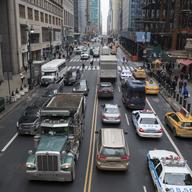
New York City is getting closer to having a congestion pricing system, but not necessarily in the order transit advocates hoped for.
Last year, Gov. Andrew Cuomo put together a group of transit experts known as the Fix NYC panel, which recommended congestion pricing as a means to raise money for the MTA and reduce traffic in Manhattan. The first phase involved installing some sort of E-Z Pass reading devices that would detect when cars entered the charging zone. Phase two involved increasing the surcharge on taxi rides and imposing a new fee for ride-hailing apps like Uber and Lyft.
The just-passed state budget skips over Phase One, and goes right to Phase Two.
"To call it congestion pricing is an obvious overreach," Charles Komanoff, a policy analyst whose data was used by the Fix NYC panel to calculate the costs and benefits of congestion pricing, told WNYC. "I don't think New Yorkers are going to be convinced that something they needed and wanted was actually enacted, when in fact it was a fraction of it, with no guarantee that the rest is going to be coming."
Taxi rides have been subject to a 50-cent MTA surcharge for almost a decade; now, that surcharge will increase to $2.50, while rides on app-based services, which had been exempt from the fee, will be assessed an additional $2.75 per trip.
Bhairavi Desai, the executive director of the New York Taxi Workers Alliance, an advocacy group for yellow cab drivers, says the surcharge increase will hurt taxi drivers, even though their numbers have been capped by the city for years, and who she says are not increasing congestion.
"There's been four suicide in four months. There's a serious economic crisis among this workforce," Desai said. "It's so heartless the way the state's completely ignored the reality and the plight of the workers."
Cuomo and other state officials defended the deal. The surcharge is expected to generate $400 million a year for the MTA that will go towards the Subway Action Plan, and outerborough transit improvements. In addition, the budget permitted the city to install 50 traffic cameras to monitor bus-only lanes.
"Now we have a real funding stream that can make the changes that have been overdue for decades," Cuomo told reporters at an unrelated event Monday.
Cuomo dismissed concerns that this wasn't a step toward a more comprehensive congestion plan. "I pushed as hard as I could push, and this was a major achievement," he said.
Even Uber, meanwhile, said it supports a more comprehensive congestion pricing plan—though it also backed the recent compromise.
"We will continue to advocate for the adoption of a comprehensive congestion pricing plan that is applied to all vehicles because it is the best way to fully fund mass transit and reduce traffic in the central business district," Danielle Filson, a spokesperson for Uber wrote in a statement.

WNYC is funded by sponsors and member donations


