The Definitive American Songbook: George Gershwin Pt. 4
The final installment of The Definitive American Songbook: the Music of George Gershwin looks at his time in Hollywood writing for motion pictures. After completing Porgy & Bess Gershwin took some time off and moved to California, where he was quickly sought after for his talents. He was hired to compose music for two films starring Fred Astaire, Shall We Dance and A Damsel in Distress, and one for Samuel Goldwyn called The Goldwyn Follies. Gershwin was accustomed to writing twenty songs for a show. If five of them became hits, that was considered a huge success by Broadway standards. Hollywood producers had different ideas about what success looked like: they wanted five songs per film and expected all of them to be hits. Gershwin delivered, and some of his most popular songs come from these three films.
“They Can’t Take That Away From Me” Fred Astaire from Barkleys of Broadway
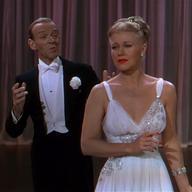
This is Fred Astaire’s second recording of “They Can’t Take That Away From Me.” The first was for the 1937 film Shall We Dance, where Astaire sings the song to Ginger Rogers (but without their usual dance number). Twelve years later, Astaire and Rogers reunited for the film Barkleys of Broadway with music by Ira Gershwin and Harry Warren. To Warren’s dismay, the film’s producer, Arthur Freed, insisted that “They Can’t Take That Away From Me” be included in the film. In this version, Astaire and Rogers finally get to have that dance, but still in atypical form: rather than their signature upbeat tap, this is an intimate ballroom number.
“Nice Work If You Can Get It” Carmen McRae from After Glow
Gershwin’s music has proven to be extremely versatile. The melodies are great vehicles for improvisation and self-expression. Carmen McRae sings “Nice Work If You Can Get It” with incredible style on her album After Glow. The way she embellishes the melody and bends the tempo are masterful. Her voice is in peak form and there’s a delightful playfulness to her delivery.
“They All Laughed” Mel Tormé from Mel Tormé Sings Fred Astaire
The world often laughs at radical ideas. When Columbus said the earth was round, when Edison first recorded sound, and when Hershey made his first chocolate bar, people thought they were crazy. But genius always has the last laugh, which is why we’re gobbling up chocolate bars and we now (mostly) agree that the world is round. Mel Tormé’s performance of “They All Laughed” is understated and subtle. He doesn’t have anything to prove or anyone to impress, he’s relaxed and his ideas come shining through, and that’s why it’s so darn good.
“Let’s Call The Whole Thing Off” Ella Fitzgerald and Louis Armstrong from Ella and Louis Again
We have a way of letting little differences distract us from everything we have in common. This song is about doing the opposite, about accepting our differences and compromising with each other. Making her third appearance on our Definitive George Gershwin list, Ella Fitzgerald teams up with Louis Armstrong again on “Let’s Call the Whole Thing Off.” This is a fun listen; both artists sound adorably mischievous, teasing each other about their differences throughout the last chorus.
“Love Is Here To Stay” Jo Stafford from The Columbia Singles Collection Volume 1
The very last song George Gershwin composed before his untimely passing at age 36 was “Love Is Here to Stay.” Maybe he was writing about someone he loved, or maybe he was referring to the amazing music he had gifted the world while he was here. When Jo Stafford recorded the song she had just married Paul Weston, her musical partner and innovator of “mood music.” You can hear how deeply in love she is on this recording. Its perfect marriage of lyrics and interpretation make it the definitive version.

WNYC is funded by sponsors and member donations