The Freedom Summer: Mississippi in 1964
The summer of 1964 marked a critical moment in the American civil rights movement. Eleanor Fischer traveled to the southern state of Mississippi to produce a documentary on the Freedom Summer. She had the opportunity to interview the civil rights workers from Northern cities such as Chicago and New York and the black civil rights and voting activist leaders from Mississippi, while also speaking with white, local political leaders and segregationists. Fischer sets the scene at the beginning of the program:
"I first visited Mississippi in February, 1964. I had come down as a lawyer to give legal advice to and defend a group of white ministers engaged in voter registration work among Negroes in the city of Hattiesburg. I remember being introduced to the county prosecutor and the cold hard stare with which I was greeted. And I also remember the first words spoken to me by this white citizen of Mississippi. 'Miss Fischer, this is war.' War had indeed come to Mississippi but its full impact was not felt until several months later when the Mississippi Summer project got under way. Sponsored by the Conference of Federated Organizations, 600 young people from outside of Mississippi descended upon the magnolia state much to the outrage of an already beleaguered white community. They came as a peaceful army because of the way things are in Mississippi for the Negro, because they wanted to help."
Throughout the documentary, Fischer challenges the white citizens of rural Mississippi about their views on the segregation of schools and the voter registration roadblocks and obstacles for black Mississippians. Many of the citizens she interviews do not think that blacks want to vote or have the intellectual capacity to make an informed decision. These raw interviews with segregationists, Northern activists, rural black citizens of Mississippi, and black civil rights leaders portray the strain and passive hostility that existed during the Summer of Freedom.
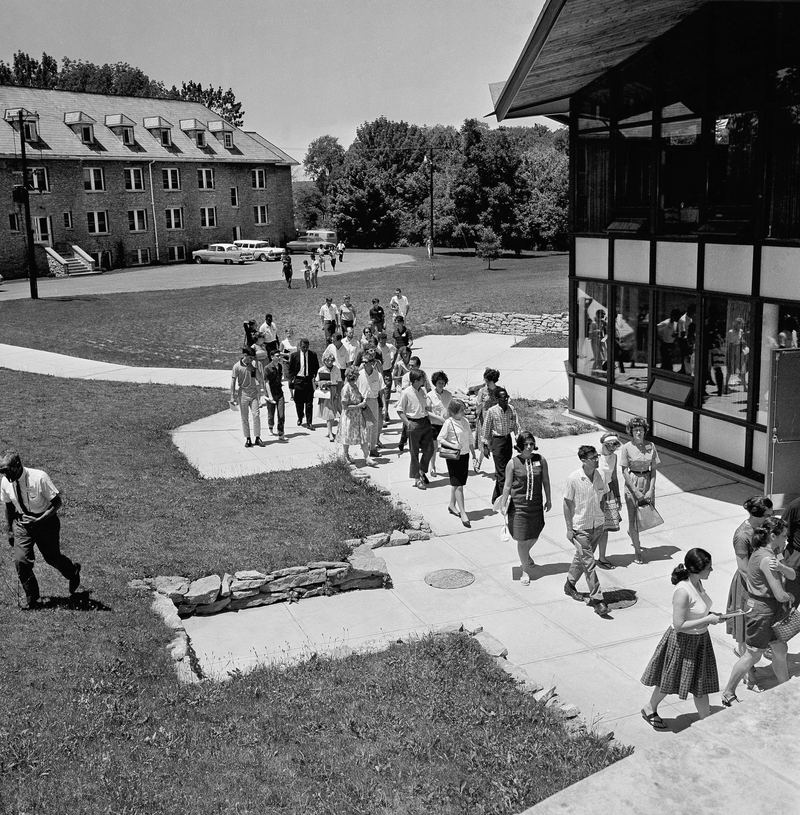
In this recording of Fischer's raw interviews, she speaks with a number of citizens from Mississippi. The audio starts with a recording of a teacher in one of the Freedom Schools set up to help bring a better education to the young black children and black adults in rural areas of Mississippi. Fischer then speaks with Jack Tannehill, editor of the Neshoba Democrat, the weekly newspaper in Philadelphia, MS. Mr. Tannehill talks about the blacks in Mississippi registering to vote. His opinion is that blacks do not want to become involved in politics. An unknown gentleman from Greenwood, MS agrees with Mr. Tannehill. He also speaks about black voters in Mississippi, claiming that they are never turned away. He says that getting to and from the courthouse is not difficult, and it is accessible to everyone who wants to register. He finishes by stating that most of the black citizens in his county are not educated or equipped to be voting at all.
The audio continues on with interviews of black citizens of Mississippi including Hartman Turnbow and Fannie Lou Hamer. Turnbow discusses the process of registering to vote and how difficult it was for blacks in his county. He mentions the activists who helped them study for the examination and led them to the courthouse. Turnbow was one of the first African-Americans to register to vote in the state of Mississippi along with a group known as the “First 14.” Fannie Lou Hamer speaks about getting arrested and the violence that occurred while traveling from a voter registration and citizenship workshop.
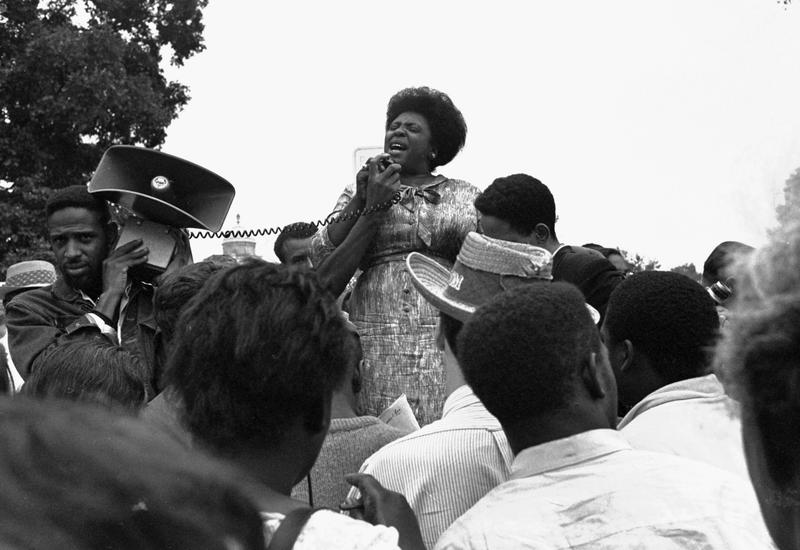
The last few interviews feature young civil rights activists that traveled to Mississippi to help the black communities and register people to vote. The activists talk about the measures taken to get people to register including bringing groups of blacks to register with the only security precautions being a fast car. Fischer travels with a young activist who goes door to door to speak with black citizens about voting for the Freedom Democratic Party. The audio ends with Fannie Lou Hamer speaking candidly and emotionally about the state of racial tensions and violence in America.
Special thanks to Elizabeth Starkey.
WNYC archives id: 61631, 61491, 61490

WNYC is funded by sponsors and member donations