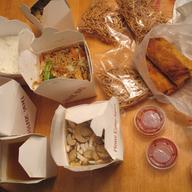
The Truth Behind "Chinese Restaurant Syndrome"
Monosodium glutamate (more commonly known as MSG) is a commonly occurring non-essential amino acid found in everything from seaweed to tomatoes, potatoes, mushrooms, and Parmesan cheese. In the early 1900s, Japanese scientists were able to extract MSG from kombu seaweed into a crystalline form, thereby inventing an instant umami ingredient that became ubiquitous in Asian cuisine, including Chinese restaurants in the US. But with Americans complaining of "Won Ton Soup Headaches" beginning in the late 1960s, MSG earned a harmful reputation. On today's Please Explain, we'll learn about this history, why MSG got a bad rap, and whether or not it is safe to consume. We’ll also learn how to use it in our own cooking, and why MSG can be so useful – and delicious – in the kitchen! We’ll be joined by Red Farm owner and operator Ed Schoenfeld and Ian Mosby, a food historian and postdoctoral fellow at McMaster University.