NJ Says 'NO' to Oysters and All They Have to Offer
Oysters are coming back.
Not to eat so much — though that too — but to grow in thick beds in polluted waters, where each one can clean 50 gallons a day. And also in shallow areas prone to hurricanes, where their rocky texture can deaden the destructive force of waves that surge up onto inhabited shores.
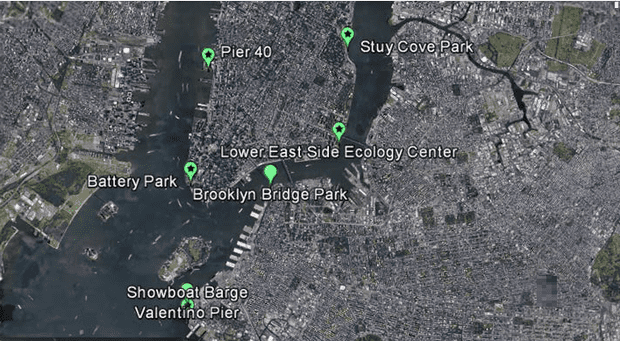
Since New York Harbor is both polluted and prone to hurricanes, groups such as the NY/NJ Baykeeper and the Billion Oyster Project have cultivated millions of oysters in more than a dozen locations, but only on the New York side of the harbor. In 2010, the New Jersey Department of Environmental Protection declared its side of the harbor off-limits to oyster farming, even for research purposes, as a result of pressure from the federal Food and Drug Adminisitration
"There is a huge shellfish industry, especially in South Jersey, in Delaware Bay, and the state was not monitoring these beds to make sure that contaminated oysters and clams and mussels were not getting into the food chain," Brian Donohue, a video journalist at NJ.com, said in an interview with WNYC's Richard Hake. "In response to that, they ordered Baykeeper to pull their two oyster reefs which they did have established."
Brian Donohue's video report, "New Jersey's Oyster Madness: Reefs Rise in N.Y. While N.J. Ban Continues."
Donohue, who produced a video report on the subject, said New Jersey environmental officials later approved oyster reefs further south in Barnegat Bay, the inland bay by the Jersey Shore, but not in the harbor.
"It's been five years now, and in those five years, New York has been going great guns forward, but these projects on the New Jersey side are just stuck," Donohue said.

WNYC is funded by sponsors and member donations