How to Curb Flooding? Tax the Pavement, NJ Lawmakers Say
A bill currently awaiting New Jersey Governor Phil Murphy's signature could create what critics are calling a "rain tax." But supporters of the Clean Stormwater and Flood Reduction Act say it will help to curb the state's biggest source of water pollution: storm water runoff. It will help manage runoff by allowing towns and cities across the state to collect fees from property owners based on the amount of impervious surface (parking lots, roofs, sidewalks, etc.) they have.
"We manage our fresh water as best we can. We manage our waste water as we have to, but as it relates to storm water, there's no great way to facilitate storm water management," said Assemblyman John McKeon, one of the bill's sponsors.
Storm water washes pollutants like road salt, animal waste, oil and insecticides into the water supply, making it harder to keep drinking water clean and potentially hurting the tourism industry around the state's lakes and bays, McKeon said.
"Greenwood Lake is another great example..[of] how eutrophication turns...that beautiful lake into salad," he said.
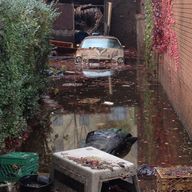
As sea levels rise and storms get more severe, flooding is only expected to increase and become costlier. The bill aims to provide towns with a revenue source to cope. Property owners with green or gray infrastructure to trap rain water, like rain gardens or porous pavement, could apply to get their bill reduced, or even eliminated altogether.
"Think of it like electricity. It wouldn't necessarily be fair to have everyone pay the same electric bill," McKeon said. "People pay for what they use."
But critics of the measure say it leaves a lot up in the air, like not statewide standards, or maximum fees. Tony Bawidamann, the vice president for government affairs at the New Jersey Business Industry Association said he's afraid it will hurt the bottom line for small businesses.
"This hits a lot of our manufacturers, it hits anybody with a parking lot," he said. "It's more and more expensive [for companies] to do business here; they pick up and go."
But residents and businesses are already paying for storm water runoff, said Mike Pisauro, the policy director at New Jersey's Watershed Institute. He added that cities and towns in 40 states already have these types of utilities.
"When our employees can't get to work because the road is flooded...or the municipalities are paying for having to close the roads, rescuing people, cleaning up the road, after it is reopened," he said. "We're already paying for it, it's [just] not coming in a bill, so if we address this problem proactively we will see benefits."

WNYC is funded by sponsors and member donations