Seeking an End to Cycles of Abuse
Radio Rookie Destiny Mabry had a lot in common with her older sister Kia: an unusually bright smile, a love of dance, and excellent double dutch skills. They also had something much less positive in common -- they both experienced being in an abusive relationship. Destiny wants to understand this painful link.
I try not to do this too often, but every once in a while I’ll type "Kia Von Miller" into Google. That's my older sister's name. All that comes up for several pages are news articles about what happened in January of 2014, when her husband shot and killed Kia and their two children, Kyler, who was 3, and Syrai, 1. Then he killed himself.
I still can't believe he did that to his whole family, to my family.
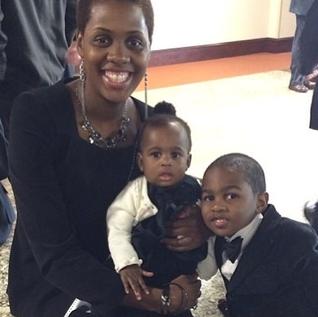
When Kia met her husband I was away at college. It all happened so fast -- one day they were married, then they moved down south, and right after that, she was pregnant. He bought them a brand new white house with a white picket fence; it looked perfect from the outside. But he had 100 percent control over my sister. She never left that house unless it was with him.
The last time I saw Kia I told her, “You know the way he’s treating you is not right.” But she had her head down and said, “I’m just doing what I have to do as a wife, he’s never hit me.”
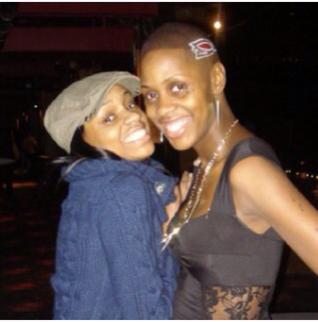
Around that time, I was actually in therapy trying to heal from an abusive relationship. I was 19, and back then, I was so insecure. My ex would text me like 10 times a day, telling me how pretty I was and how badly he wanted me. But then he started telling me what I should wear, when I could go out, and he even tried to control when we got intimate. But he saw nothing wrong with any of that. He'd say, “You don’t have any black and blues, so it’s not that serious.”
When we were growing up our mother taught us the basics. You know, “Don’t talk to strangers,” and, “Say your grace before every meal.” She didn’t tell us to watch out for people who try to control or disrespect us.
I asked my mom why she thinks parents don't talk to their kids about domestic violence. She told me, "they don’t want to harden their hearts and take away their innocence, so they don't know about the hardships that happen in families."
But when a kid sees something, they’re not innocent to it anymore. And since we don’t talk to kids about it, they come up with their own conclusions.
I remember my mom's boyfriend going into these episodes of rage: yelling, cursing, vandalizing the house, even throwing things at her. But we never spoke about it, so I thought that’s what happens when you get serious with someone: you yell, you cry and you fight.
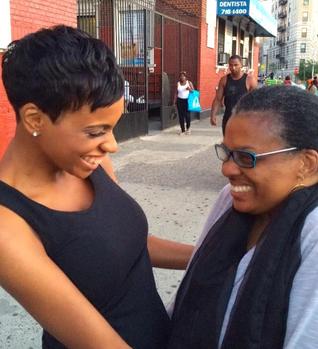
Both Kia and I avoided talking with anyone about how controlling our partners were, or that they were abusive. It’s not like you wake up one day, like, “Yo Instagram, what’s up? My boyfriend abused me last night, it was crazy.” Nobody talks about domestic violence like that.
Speaking up has become my way of healing. I visit classrooms and after school programs to tell my story, my mom's story, and Kia, Kyler and Syrai's story, so maybe some of the kids who hear me will recognize that abuse isn't just about black and blues, it's about power and control.
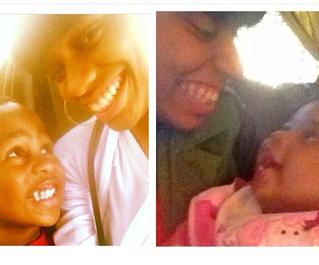
If you are in an abusive relationship and are looking for help, we've compiled a list of service and support organizations here.
Radio Rookies would like to thank Day One and The Door, our partner organizations for this series.

WNYC is funded by sponsors and member donations