Weekly Music Roundup: Bruce Springsteen, Yumi Zouma, and Toni Geitani
This week, protest songs from Billy Bragg and Bruce Springsteen, plus music for troubled times by Yumi Zouma, Toni Geitani, and Ye Vagabonds.
Billy Bragg and Bruce Springsteen Respond To Events In Minneapolis
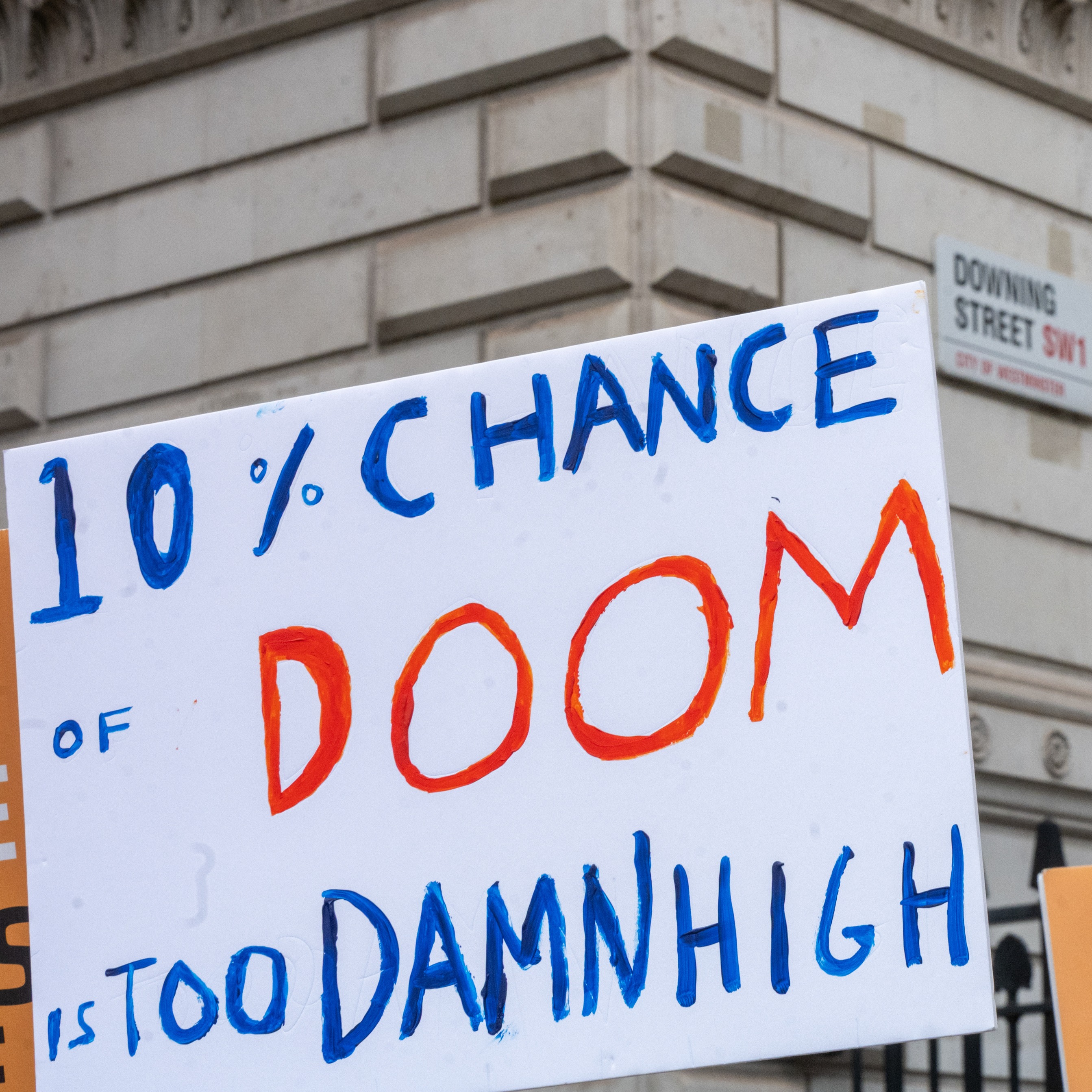
The horrific events in Minnesota over the past couple of weeks have provoked outrage, protests, and protest songs. Yesterday, over in the UK, Billy Bragg released a song called “City Of Heroes” – the video is simply a photo of a protester holding a sign that says “All Your Favorite Bands Hate Fascism,” which for some reason lifted my spirits immediately. And on the same day, Bruce Springsteen put out “Streets of Minneapolis,” with a video showing both the scenes from that city that have been seared into our minds and shots of The Boss practically spitting his lyrics into the mic. Springsteen’s title will of course remind listeners of one of his greatest songs, “Streets of Philadelphia,” written for the 1993 film Philadelphia which questioned the country’s response to the AIDS crisis. This is not one of Springsteen’s greatest songs, but that’s not the point. He names names – both Alex Pretti and Renee Good, and those who unleashed the people who shot them – and even without the video, his anger is evident in the writing and delivery of the song.
Bragg also names a name: Martin Niemöller, whose name you may not immediately recognize but who wrote “First They Came.” (“First they came for the communists/and I did not speak out/because I was not a communist” and so forth.) Aside from that, it is a literally in-your-face call to action that has a raw, unfinished quality to it, and comes to an abrupt end. Meanwhile, Springsteen, with a full band sound backing him up, clearly decided that this was not the time for poetry and metaphor, but for plainspoken, unflinching truth-telling.
New Zealand’s Yumi Zouma Turn Up The Volume
The band Yumi Zouma has been making dreamy pop music from their base in New Zealand for a decade now. They promised a heavier, more rockin’ sound on their new album, No Love Lost To Kindness, and while they haven’t gone the full amps-to-11 route, there is definitely a more indie rock sensibility on many of the new songs. Still, the atmospheric sound of Christie Simpson’s vocals and hazy keyboards remain a constant presence – in other words, it still sounds like Yumi Zouma. Leadoff track “Cross My Heart and Hope To Die” is propelled by the drumming of Olivia Campion, currently the only member of the quartet still living in New Zealand, and is full of dark, at times nightmarish images of a world in crisis; “I want to be myself,” Simpson sings in conclusion, “but I don’t know how.”
Ye Vagabonds Create New Folk Songs With Old DNA
The Irish band Ye Vagabonds is led by brothers Diarmuid and Brian Mac Gloinn, both of whom sing and play guitars. Their early albums featured their own distinctive take on traditional folk ballads and story songs, as well as their own original tunes. That experience has stood them in good stead, as they’ve released a new album today called All Tied Together. Most of the new tracks are story songs, inspired by things like Dublin’s housing crisis, inequality, institutional care – or lack thereof – for mental illness, etc. ut these songs also remind us that those old traditional songs were also based on real people, trends, and events. The vocal harmonies are predictably wonderful, but there are lots of sonic surprises in the production, with contributions from NY multi-instrumentalist/producer Shahzad Ismaily, Vermont-via-London folk singer Sam Amidon, and members of the Dublin new music group Crash Ensemble. “The Flood,” a standout track, uses flood imagery (the brothers are familiar with American blues songs like “When The Levee Breaks”) as a metaphor for people swept away by a tide of gentrification and greed.
Ye Vagabonds begin their US tour on Jan. 31 at Music Hall of Williamsburg.
The Sound of Things Falling Apart, from Toni Geitani
Toni Geitani is a Lebanese composer and producer living in Amsterdam. He makes Arabic experimental music, combining the traditional vocal techniques of Near Eastern singing with cinematic electronics and a dark, industrial sound design. His new album, out today, is called Wahj – Arabic for “radiance” – a title that provides a counterbalance, an antidote perhaps, to the album’s theme of collapse and loss on a societal scale. This song, “Ya Sah” (or “Hawa” as it was originally called), uses vocals and swirling, almost reedy electronics over a shifting bed of steady drumming, broken beats, and hints of glitch electronica.