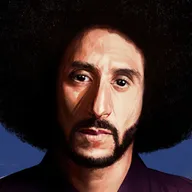
Colin Kaepernick, Ten Years After Taking a Knee
Colin Kaepernick had a stunning rise as an N.F.L. quarterback after becoming a full-time starter, in 2012. He was a legitimate dual threat—as effective running the ball as he was throwing it. And, to this day, Kaepernick still holds the record for rushing yards by an N.F.L. quarterback in a playoff game. But his formidable skills as a player were quickly overshadowed by his decision—quiet at first—to engage in protest for social justice a decade ago. He knelt during the national anthem at games, and that generated an enormous amount of controversy, with everyone from his fellow-players to a future President weighing in on his decision. In the aftermath of his demonstrations, the San Francisco 49ers told him that they were going to cut him, and no other team would sign him. In his new memoir, “The Perilous Fight,” Kaepernick describes how this wasn’t even the full extent of the league’s efforts to punish him. He and David Remnick discuss his new book and the consequences of his political activism. “I had football taken away from me,” Kaepernick explains. “I didn’t get to leave on my terms. And I didn’t get to leave because, ‘Oh, you're not good enough to play anymore.’ It was because of the causes I was supporting and the change I was trying to effect. So that leaves a sour taste in your mouth.”
Further reading:
- “The N.F.L.’s Change of Tone, and the Limits of Merely Listening,” by Louisa Thomas
- “Colin Kaepernick’s Contested Workout and the Power Plays of the N.F.L.,” by Louisa Thomas
- “Behind Nike’s Decision to Stand by Colin Kaepernick,” by Jelani Cobb
- “What Will Taking the Knee Mean Now?,” by Doreen St. Félix
- “The Racial Demagoguery of Trump’s Assaults on Colin Kaepernick and Steph Curry,” by David Remnick
New episodes of The New Yorker Radio Hour drop every Tuesday and Friday. Follow the show wherever you get your podcasts.