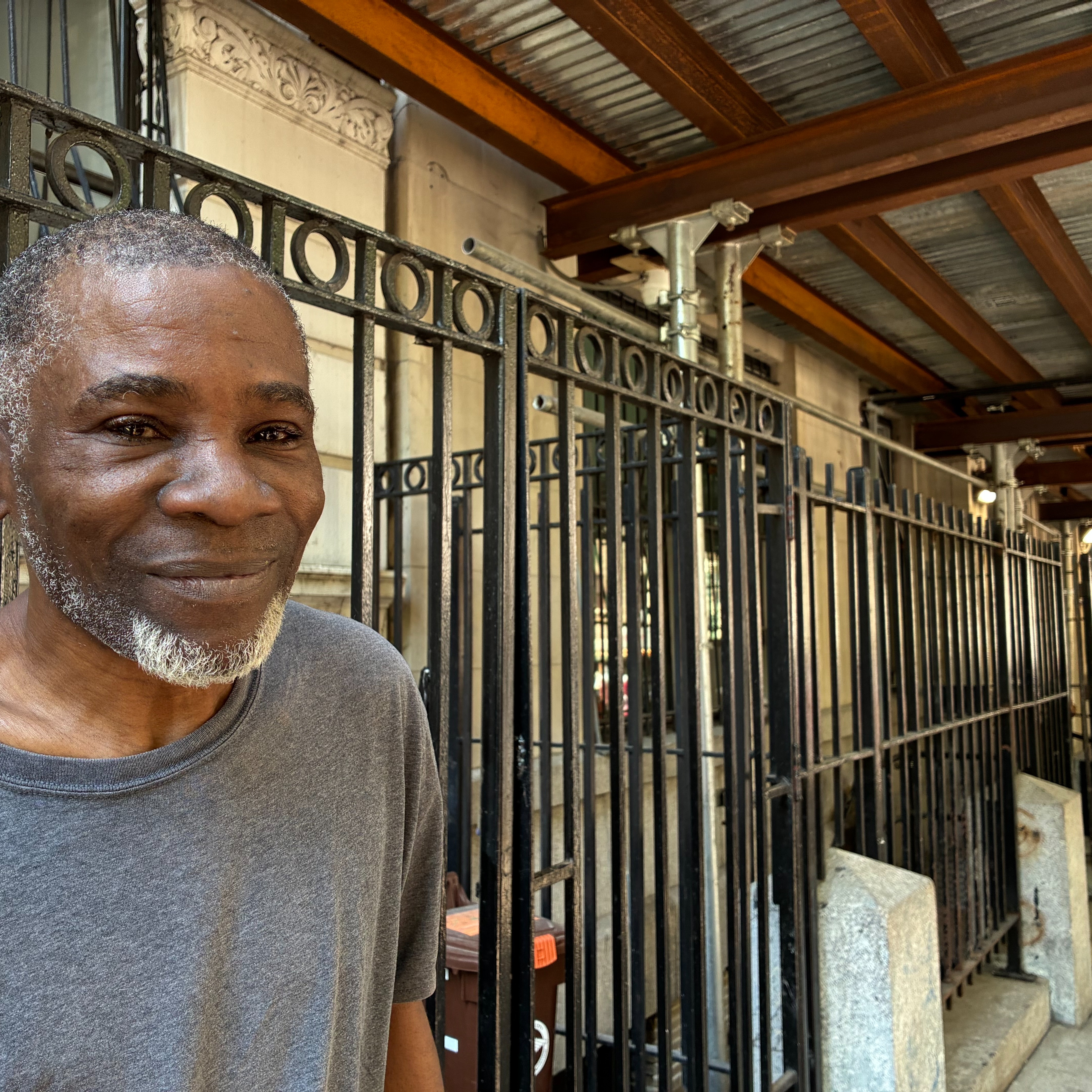
Federal housing cuts could leave 7K formerly homeless New Yorkers at risk
The Trump administration says it’s about to drastically change how it funds the nation’s largest homeless assistance program — a move that could push thousands of formerly homeless New Yorkers who currently have a place to live back into the city’s shelters and streets.
Officials with the U.S. Department of Housing and Urban Development said the changes to the Continuum of Care program are expected to be announced Monday are part of an effort to “optimize self-sufficiency” because too many homeless people live persistently on the streets. In President Donald Trump’s second term that has meant prioritizing transitional housing programs meant to bridge the gap between homelessness and permanent housing and treatment, rather than long-term housing programs.
Daniatia Lincoln, 43, said she’s been in supportive housing for more than a decade. She said it helped her get back on her feet when she was pregnant and living in a shelter. But advocates fear that the looming cuts could gut long-term housing programs like hers, which rely on federal funding.
“It’s what has allowed me to be what I am today,” said Lincoln, who lives in the Bronx and has four kids, with two in college out of state. “Why would I care about getting healthier if I don’t even know where I’m going to sleep tonight?”
Lincoln said she’s not sure where she would go with her children if the program ends, she might have to leave the city altogether or go back to the shelter system.
New York City receives $165 million from the federal government through Continuum of Care grants, according to the Supportive Housing Network of New York. The dollars help house more than 7,000 formerly homeless New Yorkers who have been homeless for more than a year and have other conditions like a mental illness or substance abuse disorder.
But housing advocates said a shift in priorities could upend decades of progress and torpedo "housing first": a bipartisan model for solving homelessness that began in New York and relies on Continuum of Care grants. HUD has already signaled how it plans to change course through confusing guidance over the last year. The Supportive Housing Network of New York, an industry group, said it’s a blueprint of what’s to come and in the best case scenario, there would be a 40% cut to existing programs or about $66 million, and 2,800 units losing assistance.
Housing first means providers offer housing without any preconditions, and then provide the necessary support people need to get on their feet, like mental health counseling, health care or addiction and recovery services.