The role of Native Americans in the founding of the country
The Boston Tea Party, 1773: Colonists board a ship and destroy 92 thousand pounds of tea. An act of protest against British tariffs and a lack of representation in Parliament.
1775: The start of the American Revolution: militia men in small Massachusetts towns confront and pursue British troops. War begins.
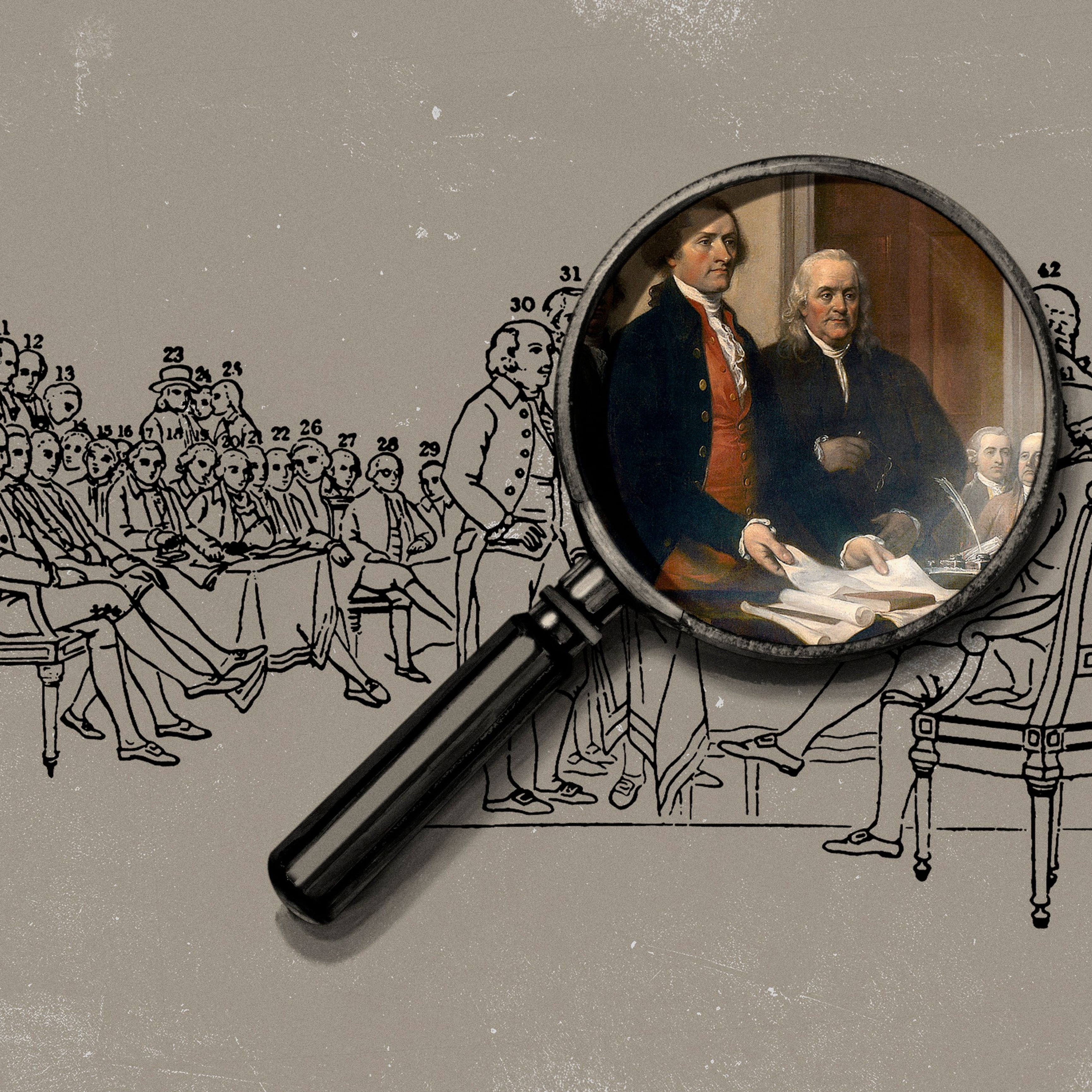
July 1776: The signing of Declaration of Independence: 56 delegates of the Second Continental Congress – all white men – draft and sign the document that declares their grievances against the King, and their intention to separate from Britain.
The Revolution can be a tidy story. One of underdog colonists rising up against the tyranny of the world’s most powerful Empire. Our common telling of that story can feature only those who held prominent positions of influence and power, leaving out many people who lived during that time, on these lands, and who participated in the Revolution and the country’s beginnings.
You can read George Washington’s full letter to General John Sullivan ordering his military campaign against Native Americans, from 1789 here:
“The expedition you are appointed to command is to be directed against the hostile tribes of the six nations of Indians, with their associates and adherents. The immediate objects are the total destruction and devastation of their settlements and the capture of as many prisoners of every age and sex as possible. It will be essential to ruin their crops now in the ground and prevent their planting more…I beg leave to suggest as general rules that ought to govern your operations—to make rather than receive attacks, attended with as much impetuosity, shouting and noise as possible, and to make the troops act in as loose and dispersed a way as is consistent with a proper degree of government concert and mutual support—It should be previously impressed upon the minds of the men wherever they have an opportunity, to rush on with the war hoop and fixed bayonet—Nothing will disconcert and terrify the Indians more than this.
I need not urge the necessity of using every method in your power, to gain intelligence of the enemy’s strength motions and designs; nor need I suggest the extraordinary degree of vigilance and caution which will be necessary to guard against surprises from an adversary so secret desultory & rapid as the Indians….
After you have very thoroughly completed the destruction of their settlements; if the Indians should show a disposition for peace, I would have you to encourage it, on condition that they will give some decisive evidence of their sincerity by delivering up some of the principal instigators of their past hostility into our hands…
But you will not by any means listen to ⟨any⟩ overture of peace before the total ruin of their settlements is effected—It is likely enough their fears if they are unable to oppose us, will compel them to offers of peace, or policy may lead them, to endeavour to amuse us in this way to gain time and succour for more effectual opposition. Our future security will be in their inability to injure us the distance to which they are driven and in the terror with which the severity of the chastisement they receive will inspire ⟨them.⟩ Peace without this would be fallacious and temporary—New presents and an addition of force from the enemy would engage them to break it the first fair opportunity and all the expence of our extensive preparations would be lost.
When we have effectually chastised them we may then listen to peace and endeavour to draw further advantages from their fears. But even in this case great caution will be necessary to guard against the snares which their treachery may hold out—They must be explicit in their promises give substantial pledges for their performance and execute their engagements with decision and dispatch. Hostages are the only kind of security to be depended on.”
A new podcast from Pushkin Industries and Critical Frequency called “First America” looks at how we leave Native Americans out of the story. And, what the Indigenous experience at that time, and in the centuries that followed, can teach all of us. Especially when it comes to our current politics in the Trump era.