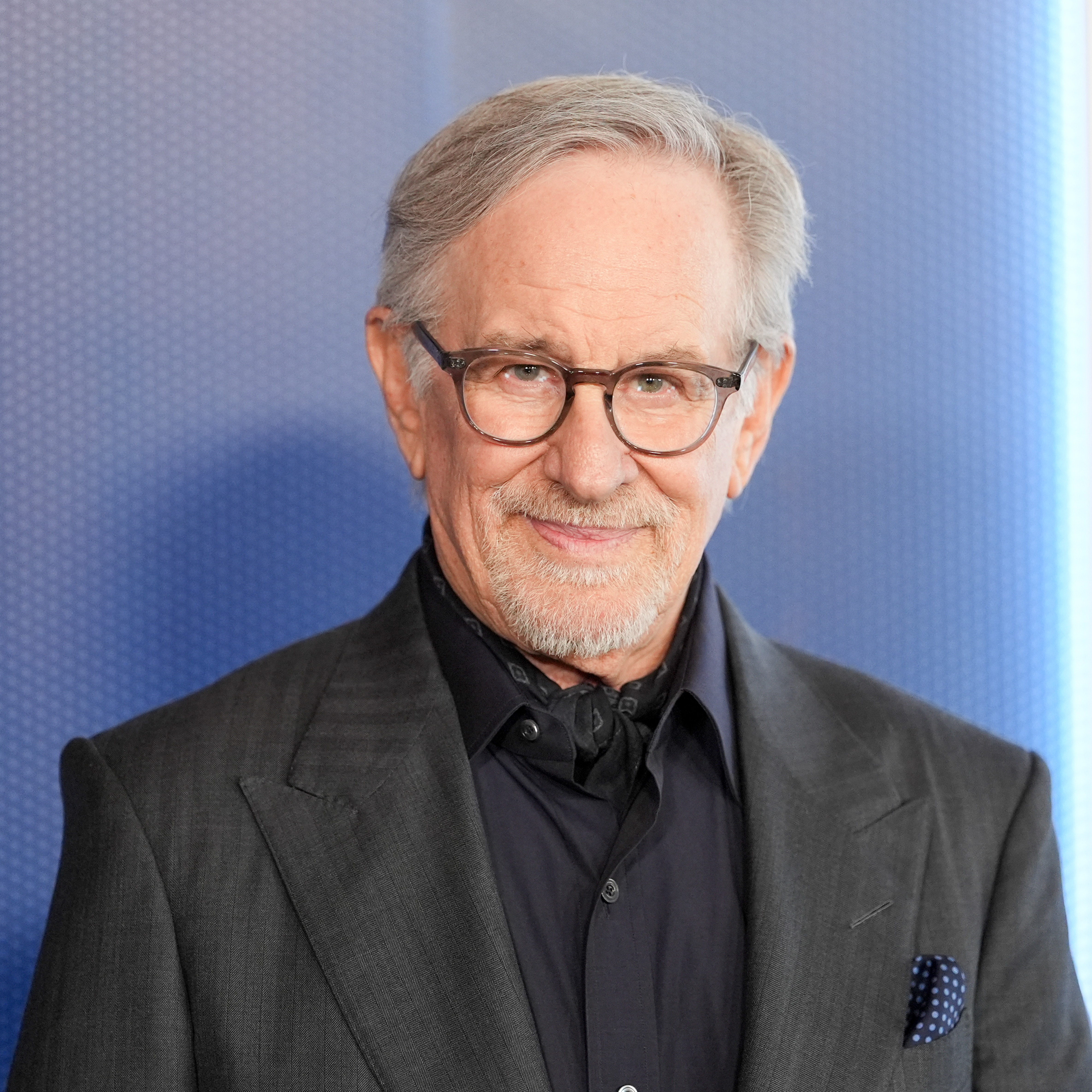
From Critics at Large: Steve Spielberg's Blockbusters
When “Jaws” hit theatres in 1975, no one—neither the studio executives involved nor the film’s twenty-six-year-old director, Steven Spielberg—was betting on its success. But it dominated at the box office and promptly revolutionized the way movies were promoted, distributed, and merchandised. On this episode of Critics at Large, Vinson Cunningham, Naomi Fry, and Alexandra Schwartz trace how Spielberg inaugurated a new phenomenon in Hollywood: the blockbuster. He would tap his own playbook again and again with such hits as “Close Encounters of the Third Kind,” “E.T.,” and “Jurassic Park,” all of which drew impressive audiences and profits. The hosts talk through his filmography, culminating in his new release, “Disclosure Day,” which both replicates and iterates on themes and techniques found in his earlier work. Though other directors may share his capacity for spectacle and action-packed set pieces, much of his appeal lies in his profound earnestness. “What Spielberg is so good at is bringing the human to the fore in these extreme, sci-fi circumstances,” Schwartz says. “And that’s what makes a great blockbuster.”
New episodes of The New Yorker Radio Hour drop every Tuesday and Friday. Join host David Remnick as he discusses the latest in politics, news, and current events in conversation with political leaders, newsmakers, innovators, New Yorker staff writers, authors, actors, and musicians.